Gene spotlight
What is MTHFR, in plain English?
One enzyme turns the folate in your food into the active form your brain, hormones, and detox pathways run on. Around 4 in 10 people have a slower version of it.
7 min read · Educational only
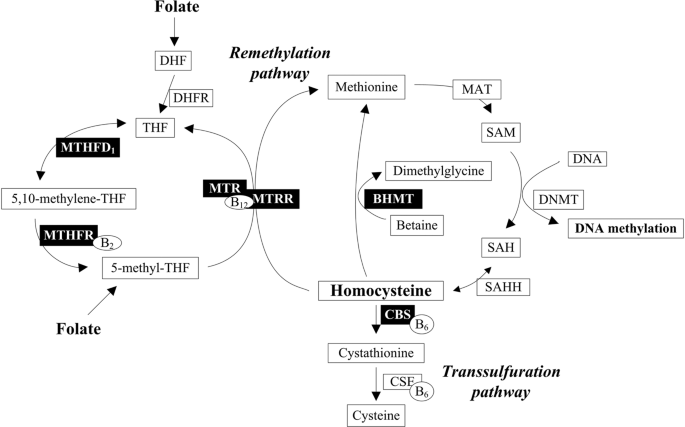
MTHFR is a gene. It builds an enzyme with a long name whose only job is to take folate and convert it into 5-MTHF — the active form your body can actually use. Everything downstream of that conversion is called methylation.
“You're not broken — your genes are just asking for the right form of the nutrient.”
Why one enzyme matters so much
Methylation is your body's switch system. It runs more than 200 reactions every second: building neurotransmitters, clearing used estrogen, detoxifying chemicals, repairing DNA, and keeping mitochondria fed. MTHFR sits at the front of that line. Slow the enzyme and everything behind it moves at a walk.
The two variants you will see on your report
- C677T — the well-studied one. One copy runs the enzyme at roughly 65% speed; two copies drop it to around 30%.
- A1298C — milder, and mostly discussed when it shows up alongside C677T.
- Carrying one copy of either is common and usually unremarkable on its own.
How it can show up in a day
- Fatigue and brain fog that sleep does not fix.
- Mood that feels chemical rather than situational.
- Hormone symptoms — PMS, hot flashes, stubborn midsection weight — that hormone care alone has not settled.
- Sensitivity to smells, chemicals, or alcohol, because methyl groups are also used to clear them.
Plenty of people with two copies feel fine, and plenty of people with none feel terrible. The variant explains a tendency; it does not explain your whole week.
The folic acid problem
Since the late 1990s, bread, cereal, pasta, and most drugstore multivitamins have been fortified with synthetic folic acid. For someone with a slow MTHFR enzyme, that folic acid does not convert well, and unconverted folic acid competes for the same receptors as the active form. It was a well-meaning policy with an unintended cost — and an easy fix once you know to look at the label.
What actually helps
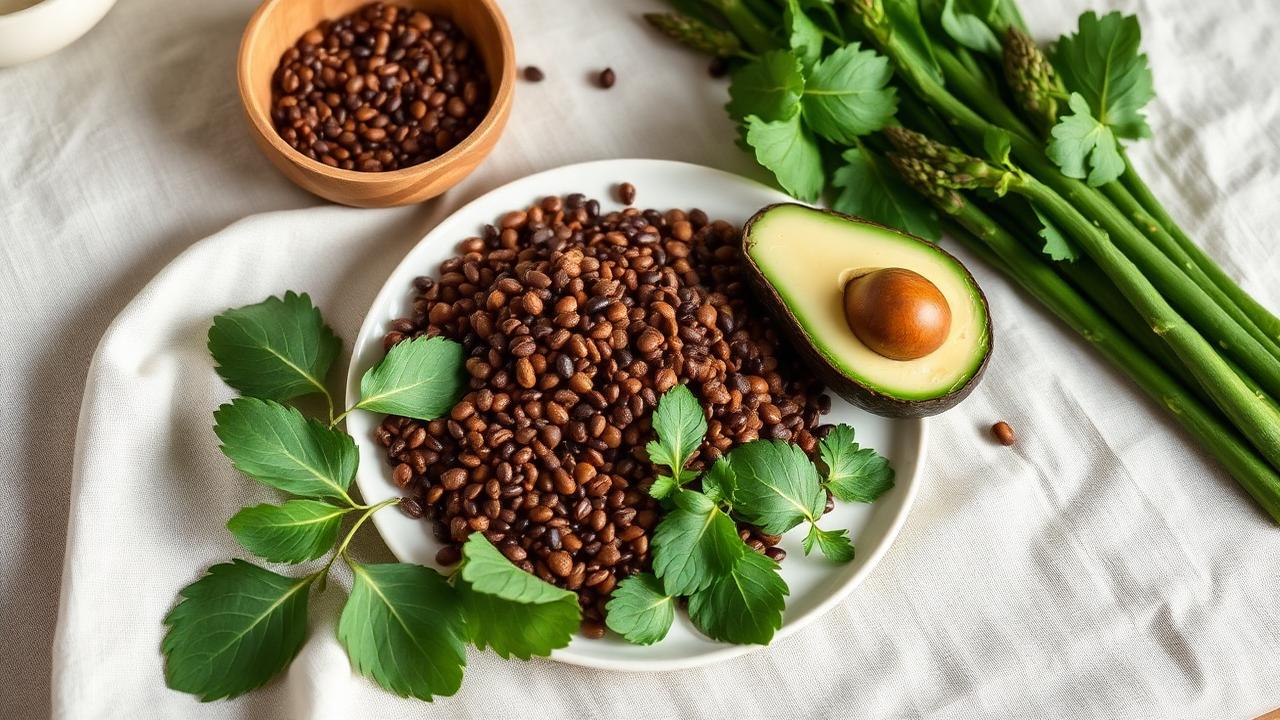
- Eat folate you do not have to convert: dark leafy greens, lentils, beans, asparagus, avocado, beets.
- Read labels and choose methylfolate over folic acid in your multivitamin.
- Add methyl donors from food: pasture eggs, salmon, olive oil.
- Ask for a homocysteine level — it is inexpensive and tells you how the cycle is actually running.
- If you supplement, start low. Methylfolate at 400 mcg is a reasonable starting place, not 5 mg on day one.
If you take SSRIs, methotrexate, or blood thinners, talk to your prescriber before adding methylated nutrients. Those interactions are real and worth ten minutes of someone's time.
Where this comes from
- Frosst P, et al. A candidate genetic risk factor for vascular disease: a common mutation in MTHFR. Nat Genet, 1995.
- Wilcken B, et al. Geographical and ethnic variation of the 677C>T MTHFR allele. J Med Genet, 2003.
- Obeid R, Pietrzik K. Folic acid versus 5-MTHF supplementation. Eur J Nutr, 2018.
- Crider KS, et al. Folate and DNA methylation. Adv Nutr, 2012.
Educational only. Gene Bliss does not diagnose, treat, or prevent any condition.